Soffit and Fascia Explained: The Trim That Protects Your Roof Edge
What soffit and fascia actually do, why they rot first, ventilation mistakes, and when repair beats replacement at the roof edge.
Read the guide →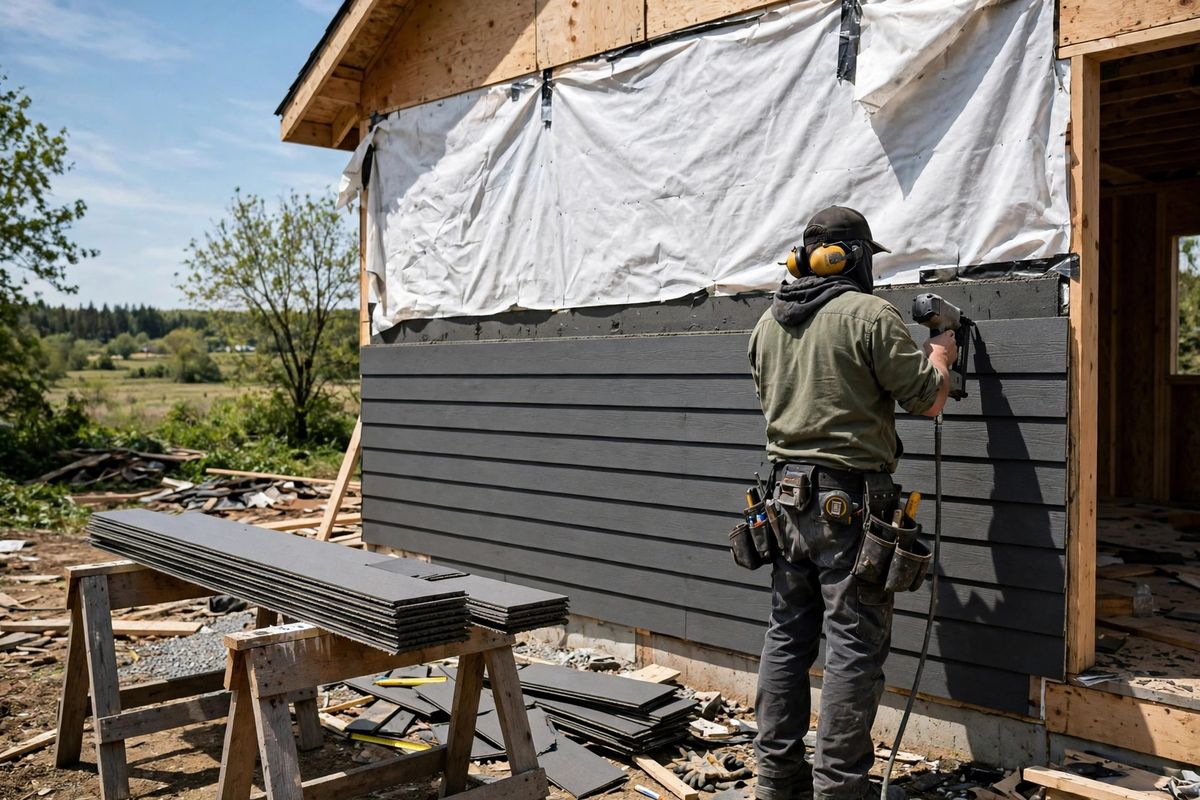
Fiber cement is the siding material homeowners research most before buying, because it promises the look of wood with far less vulnerability to rot and insects. That promise is largely real — but fiber cement is heavier, pricier and less forgiving of sloppy installation than vinyl. This guide gives you the balanced picture: the genuine strengths, the honest drawbacks, and the maintenance rhythm Ohio owners should expect, so the material's reputation and its reality line up before you spend anything.
Fiber cement does not rot, does not interest termites or woodpeckers, and holds paint far longer than wood because the boards do not expand, contract and peel the same way. It is rigid, so walls look flat and shadow lines stay crisp. It also resists fire spread better than vinyl or wood. In Cincinnati's storm season, its weight and fastening pattern give it excellent wind performance when installed to specification.
The material costs more than vinyl and takes more labor — boards are heavy, cutting creates silica dust that must be controlled, and mistakes are harder to undo. It can crack if struck hard at an edge or handled roughly. And while paint lasts a long time on fiber cement, it does not last forever: repainting is a real future cost to budget for, along with periodic caulk renewal at joints and butt seams.
Plan on an annual walk-around, a gentle wash when grime builds, and caulk inspection at trim intersections. Keep soil, mulch and snow from sitting against the bottom course, and maintain the clearance the manufacturer specifies at roofs and decks so edges are not wicking water. Touch up any chipped paint promptly — the coatings protect the board's cut and damaged edges from moisture uptake.
Owners planning to stay in their home, homes in historic-look neighborhoods, and anyone who wants to choose and later change paint colors tend to get the most from fiber cement. If your horizon is short or your budget tight, vinyl may serve you better. A local provider can price both on your home — call Cincinnati Siding Pros to get connected and compare real numbers.
Cincinnati's climate shapes every siding decision on this page. Humid Ohio River valley summers encourage mildew on shaded walls, spring brings the storm season that tests fasteners and flashing, and winter freeze-thaw cycles exploit any gap that admitted water in the fall. Local providers see the results of all three every week, which is why Cincinnati-specific advice matters more than generic national guidance: details that are optional in a dry climate — kick-out flashing, sealed penetrations, correct clearances at grade — are the difference between a wall that lasts and a wall that quietly rots here.
For the core services behind this guide, start with our siding services in Cincinnati overview, compare siding replacement with siding repair, or go straight to siding contractor in Cincinnati, OH on the homepage.
Almost every siding question eventually becomes this one. As a working rule, localized problems — a damaged section, one failing elevation, a single material issue — repair well and economically. Widespread problems — damage or rot on most elevations, recurring leaks at multiple details, materials at the end of their service life — usually make replacement the better spend, because money poured into patching a failing system buys little time. The honest way to decide is with a documented inspection that maps the damage elevation by elevation, prices both paths, and lets the evidence make the argument. Beware any recommendation, in either direction, that arrives before someone has actually looked behind a panel.
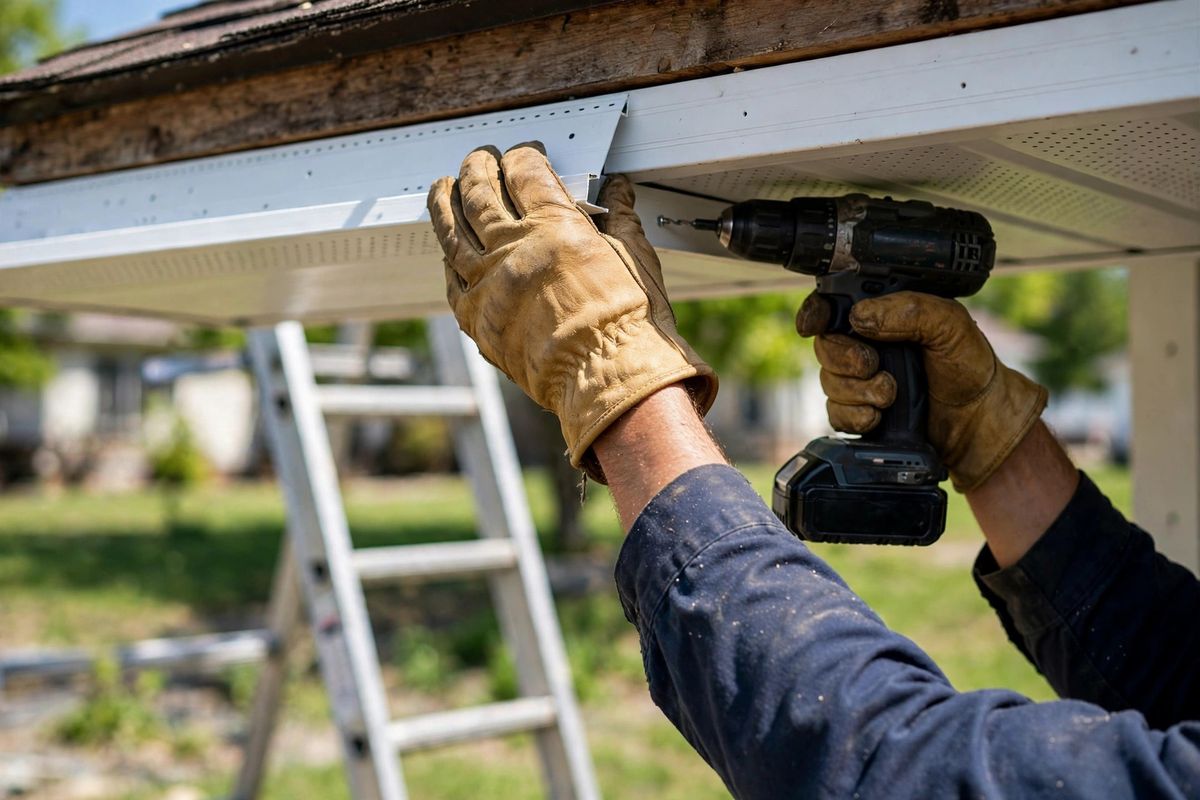
What soffit and fascia actually do, why they rot first, ventilation mistakes, and when repair beats replacement at the roof edge.
Read the guide →
The vertical farmhouse look explained — which materials do it best, where it works on a home, and what drives the cost of the installation.
Read the guide →
Matching profiles, materials and details on older Cincinnati homes — plus permits, historic districts and preserving character while fixing the envelope.
Read the guide → Cincinnati Siding Pros
Call Cincinnati Siding Pros now and we'll connect you with an independent local siding provider in Cincinnati, OH — no pressure, no obligation. Lines are open 24/7.
 Scan to call now