Commercial Siding in Cincinnati: Materials, Maintenance and Planning
Fiber cement, metal panels and EIFS considerations for retail, office and multi-family buildings — plus maintenance planning that protects the asset.
Read the guide →
Brick dominates many Cincinnati streets, but very few brick homes are all brick. Gables, dormers, bay windows, additions and the occasional full second story are usually sided — and those sided sections take the weather that brick shrugs off. When they fail, owners face questions brick never raises: what material suits the sided portions, how to match or complement the brick, and whether an addition should be sided or bricked. This guide covers the practical options for the non-brick parts of brick homes.
The classic pattern is brick on the first floor with sided gables above, plus sided dormers, porch ceilings and eaves trim. Rear additions are frequently sided for cost and weight reasons. These areas are smaller than a whole house but disproportionately visible — a peeling gable dominates the street view of an otherwise stately brick home — and gable work involves height and roof intersections that make it skilled work despite the modest area.
Fiber cement and engineered wood are the usual choices near brick because their rigidity and paintability suit traditional architecture; colors can be drawn from the brick's mortar or its deeper tones for a coordinated palette. Vinyl works when budgets demand it, with the understanding that its texture reads differently beside masonry. For historic brick homes, matching the original wood profile in a modern material often preserves the intended look best.
Where siding meets brick — at the ledge where a gable starts, around dormers, at addition junctions — flashing does the waterproofing. Failed sealant at these transitions is the most common leak source on brick homes' sided sections, and simply re-caulking over a failed joint without renewing the flashing behind it is a temporary cosmetic fix. Any quote for gable work should describe the transition details explicitly.
For a new addition, siding is lighter, faster and less expensive than brick veneer and avoids foundation considerations brick can require. The design question is balance: matching the addition's siding to the home's existing gables usually looks more intentional than introducing a third material. Providers who work on brick homes regularly can show you examples. Call Cincinnati Siding Pros to get connected and talk through your elevations.
Cincinnati's climate shapes every siding decision on this page. Humid Ohio River valley summers encourage mildew on shaded walls, spring brings the storm season that tests fasteners and flashing, and winter freeze-thaw cycles exploit any gap that admitted water in the fall. Local providers see the results of all three every week, which is why Cincinnati-specific advice matters more than generic national guidance: details that are optional in a dry climate — kick-out flashing, sealed penetrations, correct clearances at grade — are the difference between a wall that lasts and a wall that quietly rots here.
For the core services behind this guide, start with our siding services in Cincinnati overview, compare siding replacement with siding repair, or go straight to siding contractor in Cincinnati, OH on the homepage.
Almost every siding question eventually becomes this one. As a working rule, localized problems — a damaged section, one failing elevation, a single material issue — repair well and economically. Widespread problems — damage or rot on most elevations, recurring leaks at multiple details, materials at the end of their service life — usually make replacement the better spend, because money poured into patching a failing system buys little time. The honest way to decide is with a documented inspection that maps the damage elevation by elevation, prices both paths, and lets the evidence make the argument. Beware any recommendation, in either direction, that arrives before someone has actually looked behind a panel.

Fiber cement, metal panels and EIFS considerations for retail, office and multi-family buildings — plus maintenance planning that protects the asset.
Read the guide →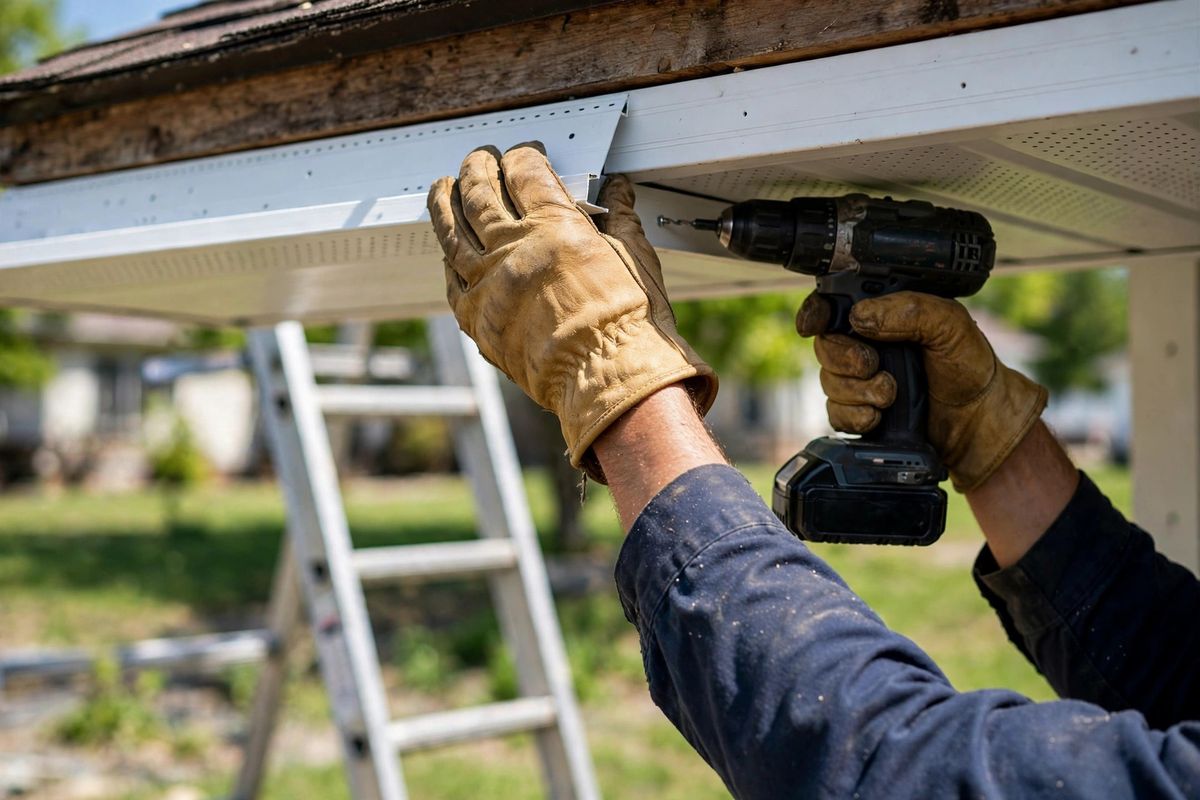
What soffit and fascia actually do, why they rot first, ventilation mistakes, and when repair beats replacement at the roof edge.
Read the guide →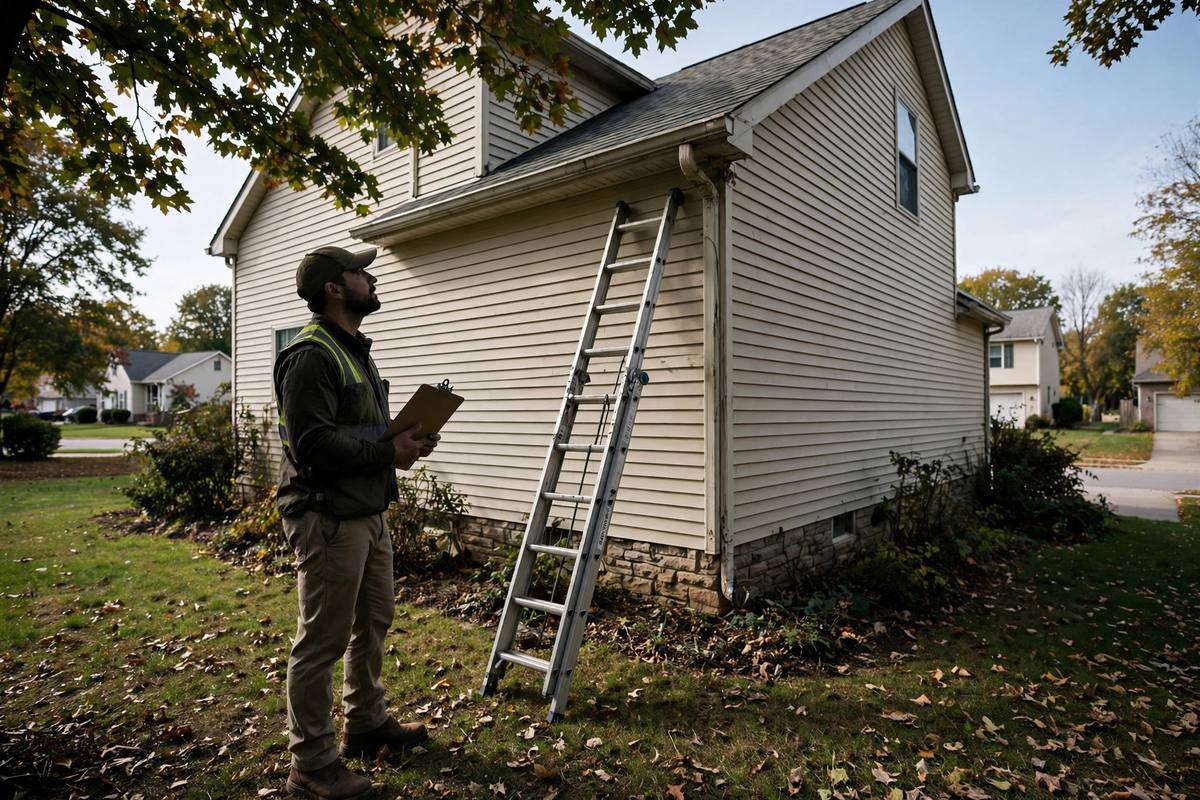
What to inspect each spring and fall, how to wash siding safely, and the small fixes that prevent expensive repairs — a simple seasonal routine.
Read the guide → Cincinnati Siding Pros
Call Cincinnati Siding Pros now and we'll connect you with an independent local siding provider in Cincinnati, OH — no pressure, no obligation. Lines are open 24/7.
 Scan to call now