Asbestos Siding on Older Cincinnati Homes: Safe, Legal Next Steps
How to recognize asbestos-cement shingles, why intact siding is often left alone, encapsulation options, and the rules around removal and disposal.
Read the guide →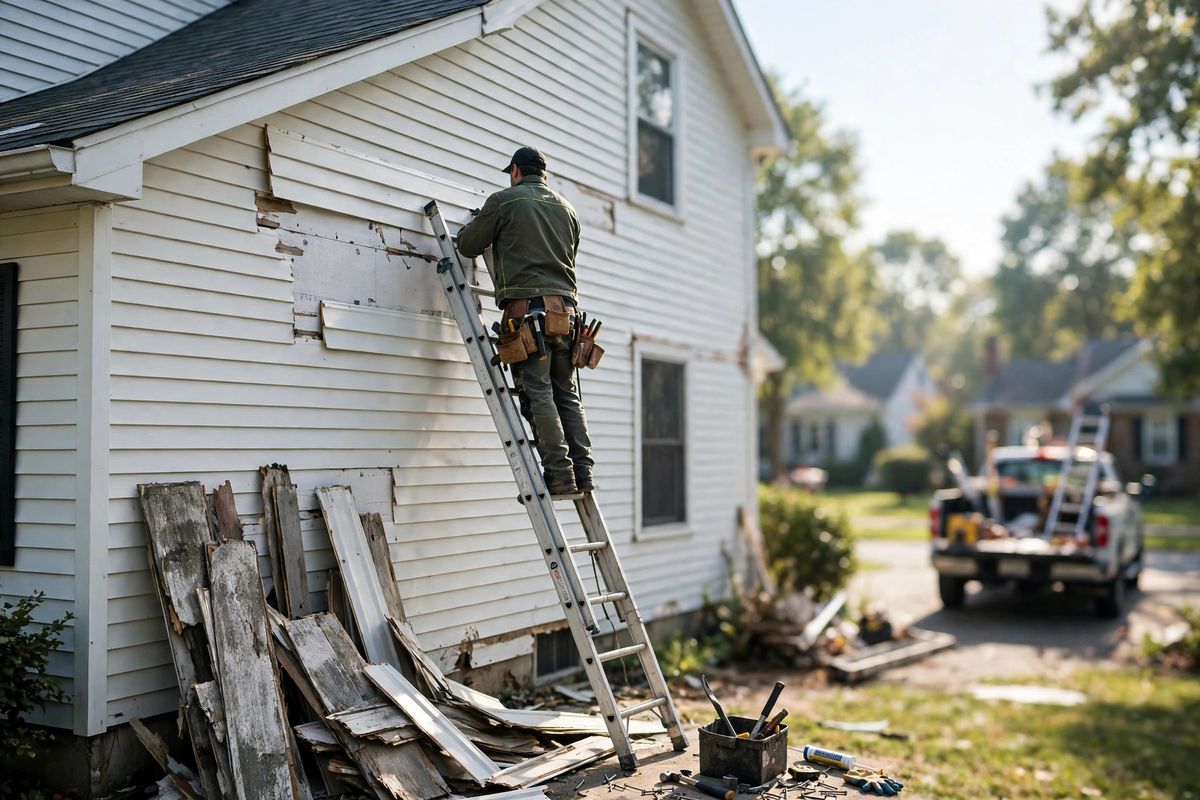
Stucco gives a home a distinctive, solid character, but in Cincinnati's wet, freeze-thaw climate it demands respect for water management. Hairline cracks are usually cosmetic; wider cracks, staining and soft spots can mean moisture has reached the sheathing behind the stucco — a problem that grows invisibly. This guide explains how to read stucco cracks, what a real moisture inspection involves, when patching and re-coating are enough, and when replacing stucco with a different siding system is the wiser long-term move.
Thin, random hairline cracks in the finish coat are common as stucco cures and the house settles; they are mainly an appearance issue and can be sealed with an elastomeric coating. Long diagonal cracks from window corners, cracks wider than a credit card's thickness, and cracks that reappear after patching suggest movement or moisture pressure from behind. Staining, efflorescence (white salts) and bulging areas are stronger warnings that water is in the assembly.
Because stucco is a reservoir cladding — it absorbs rain and dries slowly — the drainage layer behind it does the real waterproofing. A proper inspection includes probing suspect areas and, where justified, moisture meter readings through small test points to check sheathing condition. Any contractor proposing a purely cosmetic fix over stained, soft areas without investigating moisture is treating the symptom and billing you twice.
Sound stucco with cosmetic cracking can be patched and re-coated for a fresh, uniform finish. Localized moisture damage can sometimes be cut out, the sheathing and drainage layer repaired, and stucco blended back in — with the caveat that texture matching takes skill. When moisture damage is widespread, many Cincinnati owners choose full replacement with fiber cement or engineered wood, gaining a modern drained system and easier future repairs.
Most stucco moisture failures trace to missing or failed flashing — at windows, roof intersections and penetrations — and to stucco buried below grade or against roofing without clearance. Correcting those details matters more than the coating brand. When you get connected with a provider through Cincinnati Siding Pros, ask specifically how they handle flashing and clearances; the answers separate stucco-literate contractors from generalists.
It is also worth remembering how Cincinnati housing varies. The city and its suburbs hold everything from nineteenth-century homes with narrow wood lap siding to post-war ranches in aluminum, 1980s and 1990s subdivisions in vinyl, and new construction mixing fiber cement with stone veneer. Advice that ignores that variety misses the point — the right choice for a historic facade is not automatically the right choice for a rental duplex, and any provider worth hiring will ask about your specific home before recommending a direction.
For the core services behind this guide, start with our siding services in Cincinnati overview, compare siding replacement with siding repair, or go straight to siding contractor in Cincinnati, OH on the homepage.
Whatever you decide, insist on three things: a written scope that names materials and details, clarity about what happens if hidden damage is found, and a single point of contact who answers for the schedule. Those three habits protect homeowners more than any brand choice. If you would like the introduction handled for you, Cincinnati Siding Pros exists for exactly that: call (513) 216-9562, describe your home and the issue, and we will connect you with an independent local provider. There is no obligation — just a shorter path to a professional opinion.

How to recognize asbestos-cement shingles, why intact siding is often left alone, encapsulation options, and the rules around removal and disposal.
Read the guide →
Most Cincinnati brick homes still have siding somewhere — gables, additions, dormers and eaves. How to choose and coordinate those sections well.
Read the guide →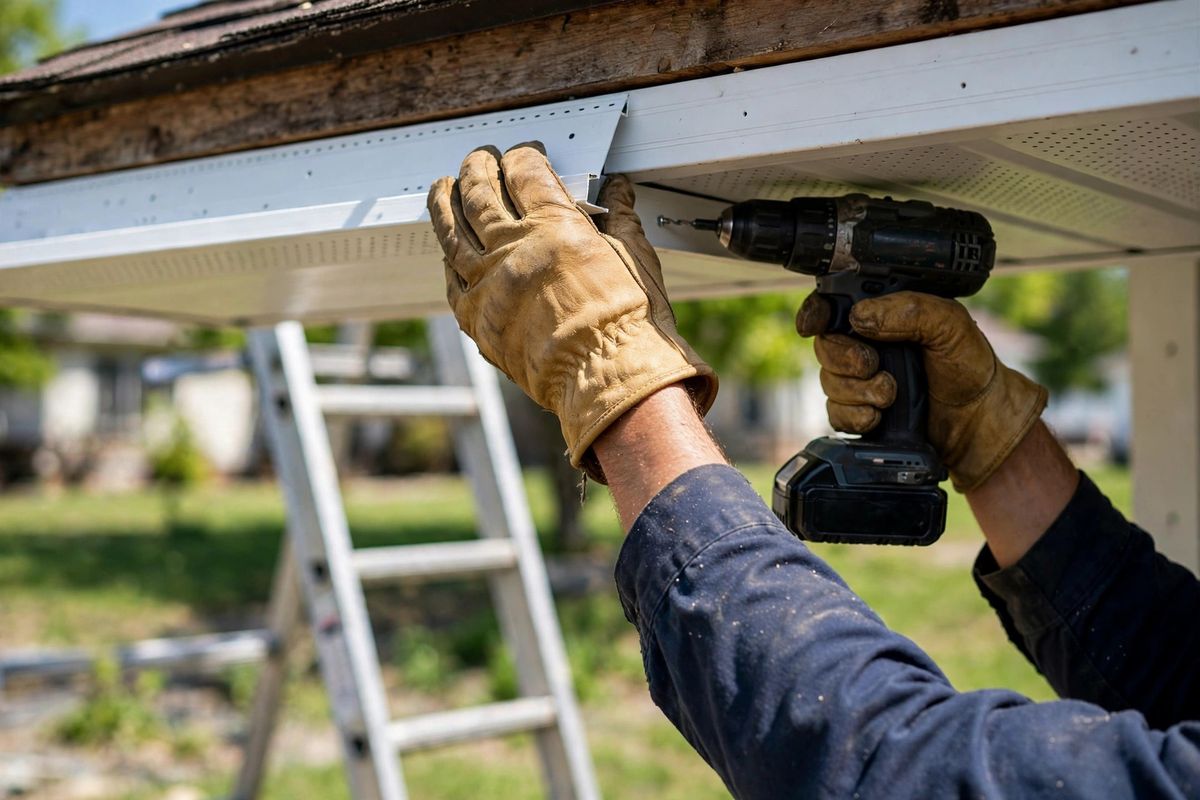
Overflow streaks, splash-back rot and ice at the eaves — how gutter problems masquerade as siding problems, and fixing the actual cause.
Read the guide → Cincinnati Siding Pros
Call Cincinnati Siding Pros now and we'll connect you with an independent local siding provider in Cincinnati, OH — no pressure, no obligation. Lines are open 24/7.
 Scan to call now